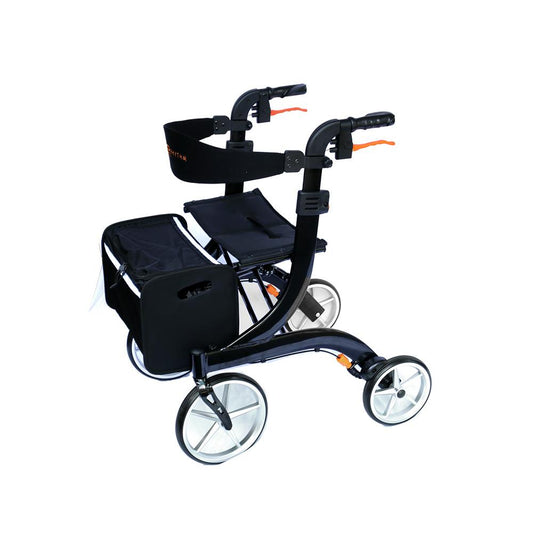
Rolling Walkers & Rollators
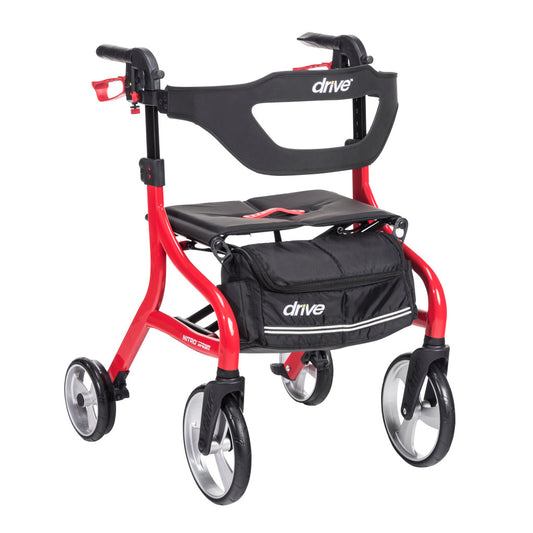
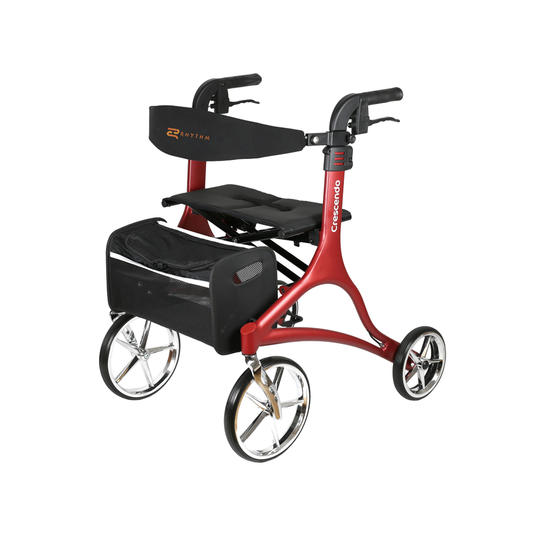
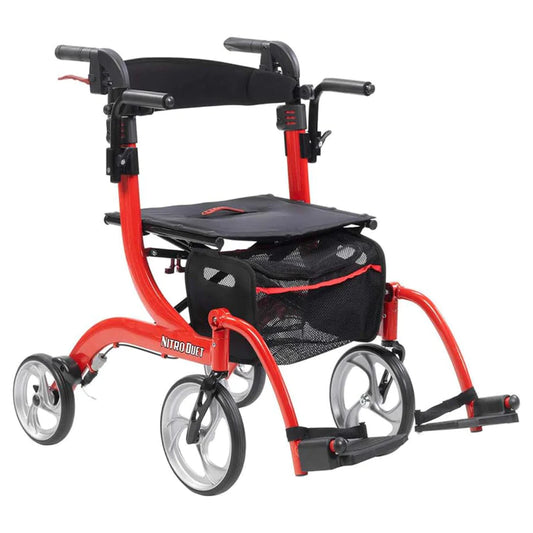
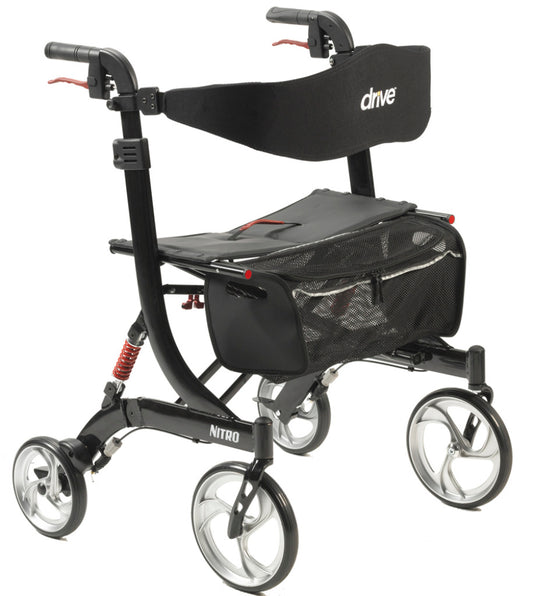
A rolling walker, also called a rollator, glides on wheels so you do not have to lift it with every step, and most include a padded seat for resting and a basket for carrying things. Shop 3-wheel and 4-wheel models, lightweight and heavy-duty, and get honest help matching one to your height, weight, and where you will use it.
Call 801-906-3900 Standard walkersFind yours by need
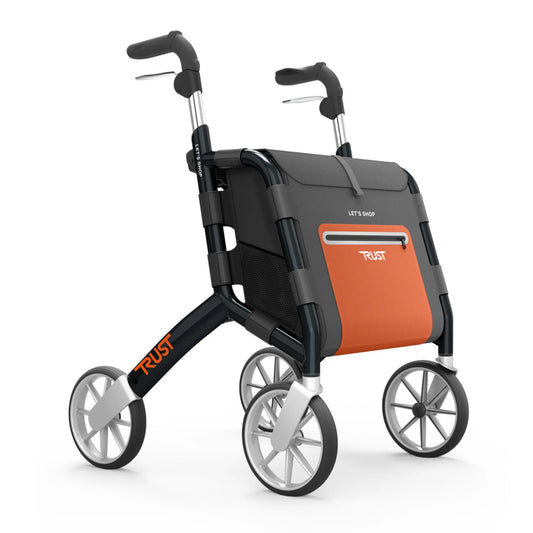
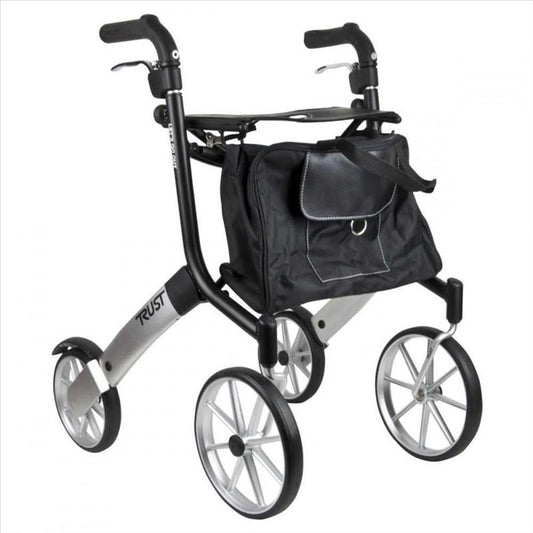
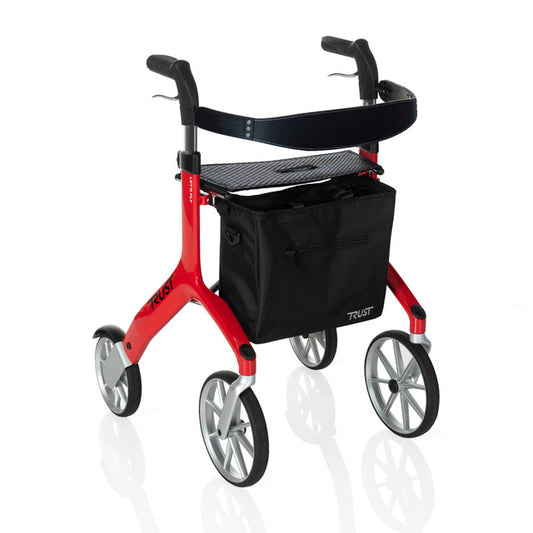
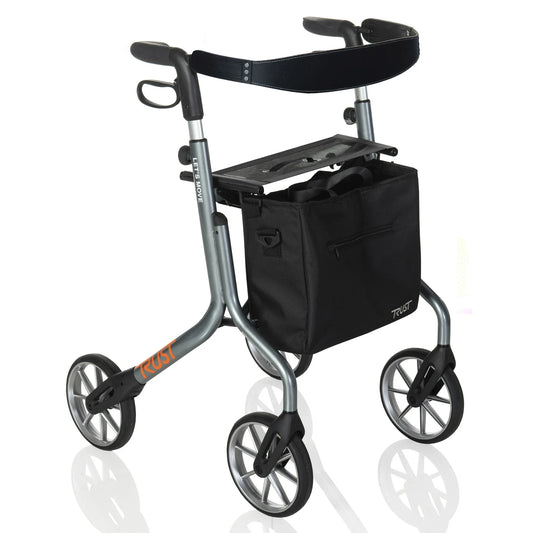
The biggest difference is the wheels. A rollator rolls on wheels with hand brakes, while a standard walker has legs you lift with each step. Here is how they compare.
You can walk but tire easily, want a seat for breaks, and move around stores, sidewalks, and appointments. The wheels mean you never have to lift the frame.
You need to lean more of your weight on the frame for support and prefer it to stay put when you press down. See our standard walkers.
Both are rollators. The wheel count changes how they turn, how steady they feel, and whether they include a seat.
Lighter and easier to turn in tight spaces like hallways and small kitchens. Most fold narrow, but they usually do not have a seat. A good fit for indoor use and quick trips.
More stable on a wider base, and nearly all include a padded seat and backrest for resting. The most popular choice for errands, walking outdoors, and longer distances.
Five things settle most decisions. Confirm the exact figures on each product page.
The handles should reach your wrists when you stand up straight with arms relaxed. Check each model's handle height range, and look for tall or petite versions if you are outside the average range.
Pick a rollator rated above the user's weight. Standard models are commonly in the 250 to 300 lb range, and heavy-duty or bariatric rollators are rated higher with a wider seat.
Larger wheels, often 8 to 10 inches, roll more smoothly over cracks, thresholds, and outdoor ground. Smaller wheels keep the rollator compact and nimble for indoor use.
If it will be lifted into a car often, a lightweight aluminum or carbon-fiber frame is easier to handle. Heavier steel frames tend to cost less and feel very sturdy.
Look at seat height and width for comfortable resting, loop hand brakes you can lock in place while seated, and a basket, pouch, or tray if you carry items while you walk.
Check the folded size for your car trunk and closet, and the open width so it clears your narrowest doorway. Narrow-frame rollators are made for smaller homes and apartments.
Affinity Home Medical is a locally owned medical equipment store serving Salt Lake City and surrounding Utah communities since 2011. Come try a rollator in person at our showroom, adjust the handle height, and sit on the seat before you decide, or order online and we will ship it anywhere in the country. Our team can help you compare models and set it up correctly.
A rolling walker, or rollator, is a walking aid on three or four wheels with hand brakes. Because it rolls, you do not lift it with each step, and most four-wheel models include a padded seat so you can rest whenever you need to.
A standard walker has legs, or sometimes two front wheels, and you lift or slide it as you walk, which gives more weight-bearing support. A rollator rolls freely on wheels with hand brakes and usually adds a seat, which suits people who can walk but tire over distance.
Choose a 3-wheel rollator if you mainly move around a smaller home and want something lighter and easier to turn, keeping in mind most do not have a seat. Choose a 4-wheel rollator if you want more stability, a built-in seat, and a rollator for errands and walking outdoors.
Stand up straight with your arms relaxed at your sides. The handles should sit at about wrist height. Match that to each model's handle height range, choose a weight capacity above the user's weight, and pick a seat width that feels comfortable. Our team can help you measure over the phone.
Most four-wheel rollators include a padded seat and a backrest so you can sit and rest during longer walks or errands. Three-wheel rollators are lighter and turn more easily but usually do not have a seat.
Affinity Home Medical has a Salt Lake City showroom where you can try rollators in person and get the handle height set for you, with local delivery and nationwide shipping. Call 801-906-3900 or browse the models above.
Tell us your height, the user's weight, and where you will use it most. We will point you to the right rolling walker and set it up correctly.
Call 801-906-3900 Compare with standard walkers