Find the Perfect Walking Aid for Your Mobility Needs

Walkers and rollators provide essential walking support for people who need help with balance, stability, or endurance. Affinity Home Medical carries standard walkers, folding walkers, 3-wheel and 4-wheel rollators, knee walkers, heavy-duty rollators, and upright walkers from brands like DriveMedical, Nova, Stander, and Medline.Our rollators are available in a range of sizes, heights, and weight capacities from lightweight travel

models under 15 lbs to bariatric rollators rated for 400+ lbs. Free shipping is available on most models,and our Salt Lake City team can help with sizing, fitting, and repair. Call 801-906-3900 or visit our Showroom at 3737 S State Street to compare options in person.

Types of Walking Aids

Standard Walkers

Best For: Maximum support and stability for individuals with limited mobility.

Overview:
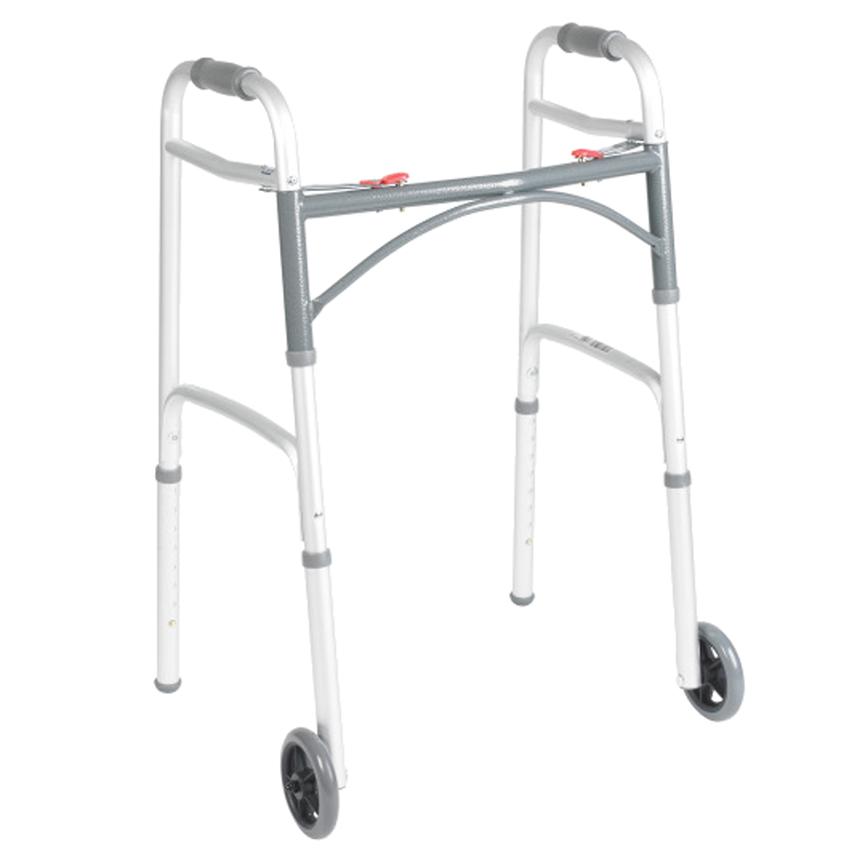
Standard walkers are designed with a sturdy, four-legged frame that provides reliable support for individuals who need assistance with balance and stability. These walkers do not have wheels, requiring the user to lift and move the walker forward as they walk. This design makes them ideal for individuals who require a high level of stability and control.

Key Benefits:

  • Maximum Stability: With their solid frame and non-wheeled design, standard walkers offer the highest level of support, reducing the risk of falls.
  • Adjustable Height: Most standard walkers feature adjustable legs, allowing users to set the walker to a comfortable height for proper posture.
  • Lightweight and Portable: Despite their sturdy construction, standard walkers are typically lightweight and can be folded for easy transport and storage.
  • Ideal for Indoor Use: Best suited for use on flat, indoor surfaces where stability and slow, controlled movement are essential.

Who Should Use This?
Standard walkers are ideal for individuals who need maximum support and stability due to balance issues, weakness, or recovery from surgery. They are particularly useful for indoor environments where mobility must be slow and controlled.

Rolling Walkers (Rollators)

Best For: Active individuals seeking mobility with added convenience and support.

Overview:
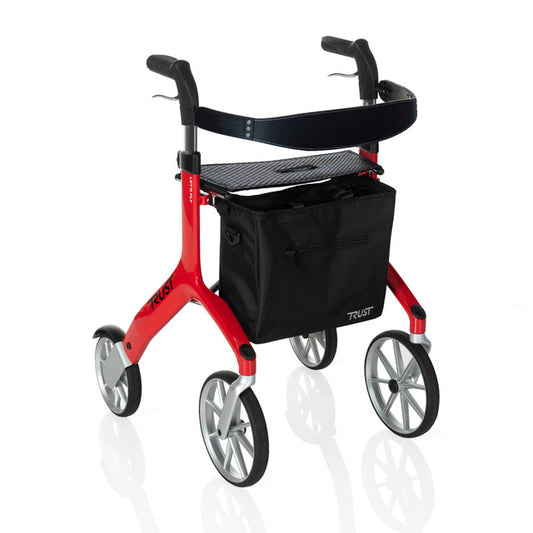
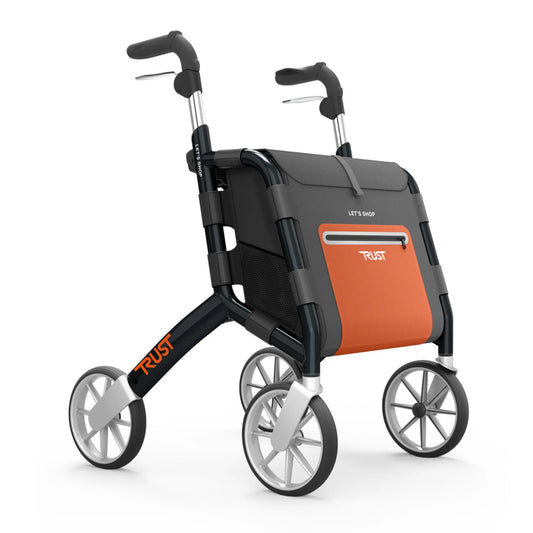
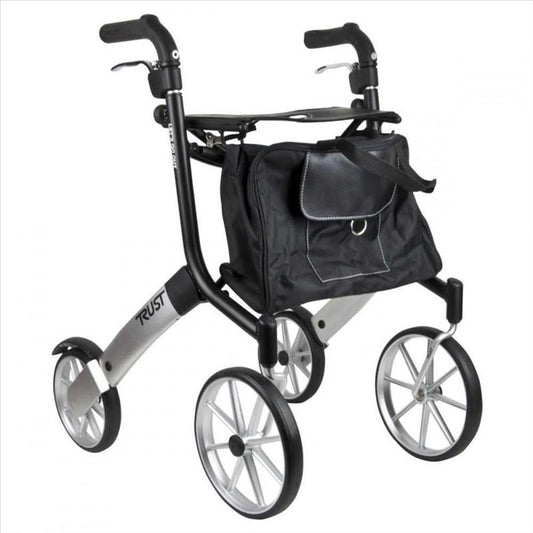
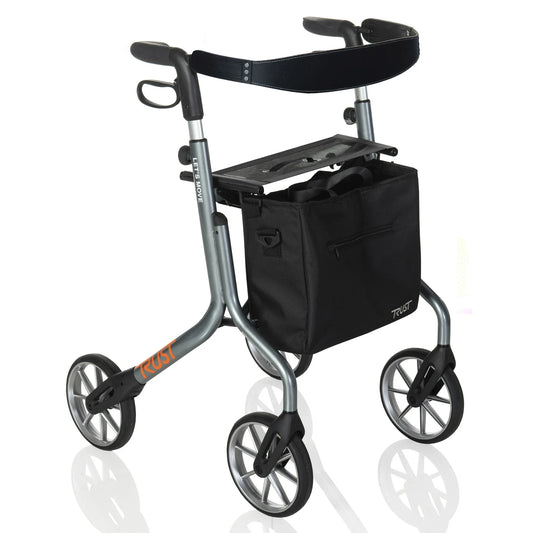
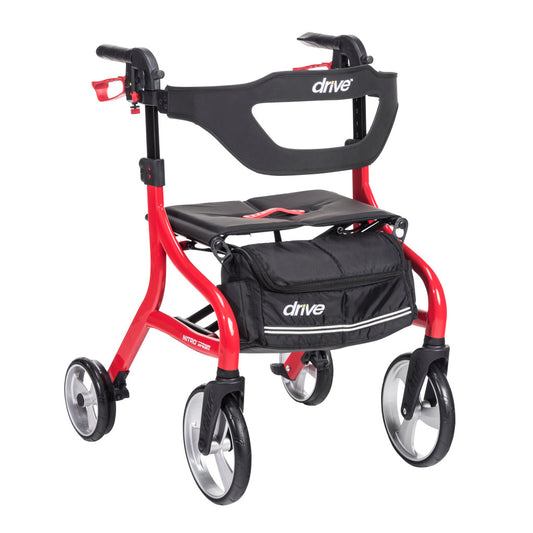
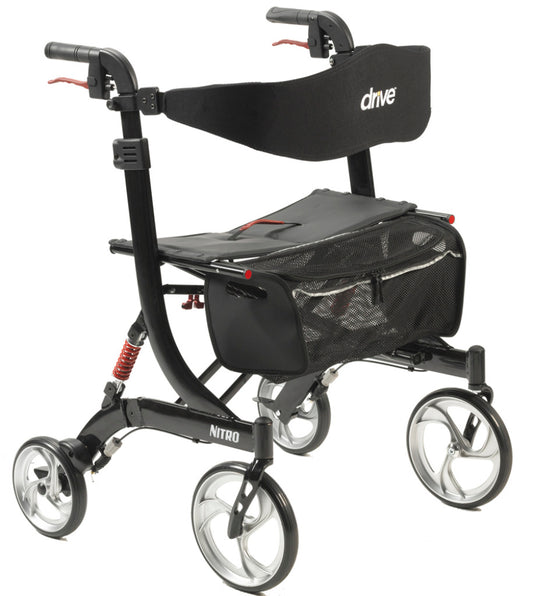
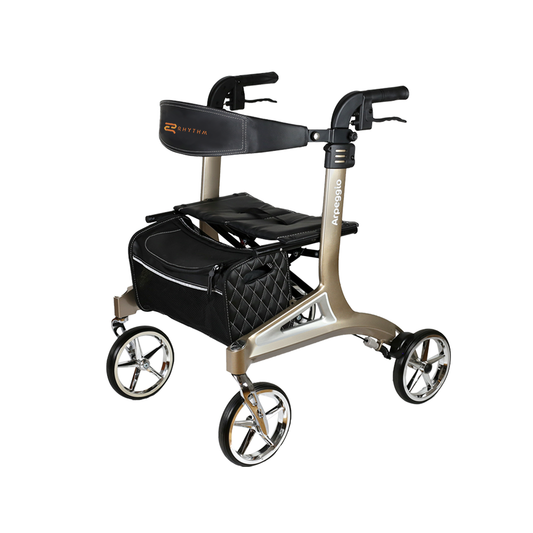
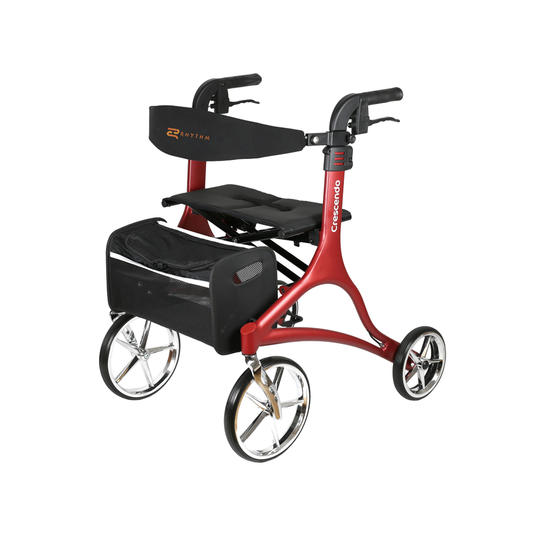
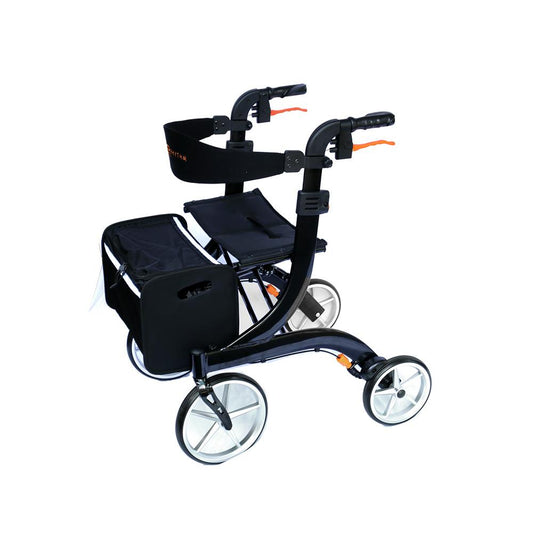
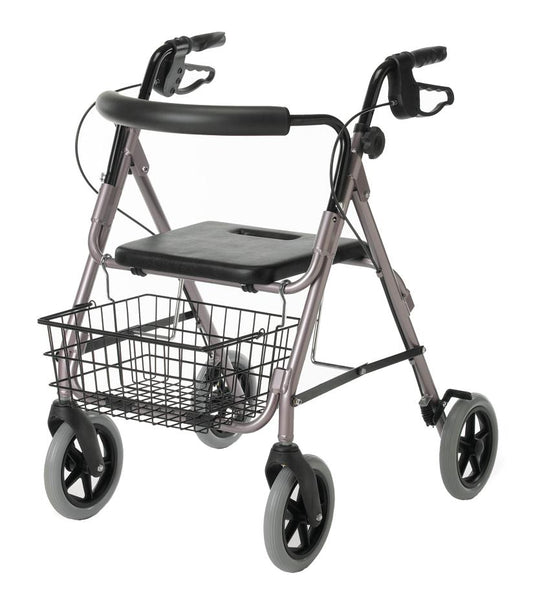
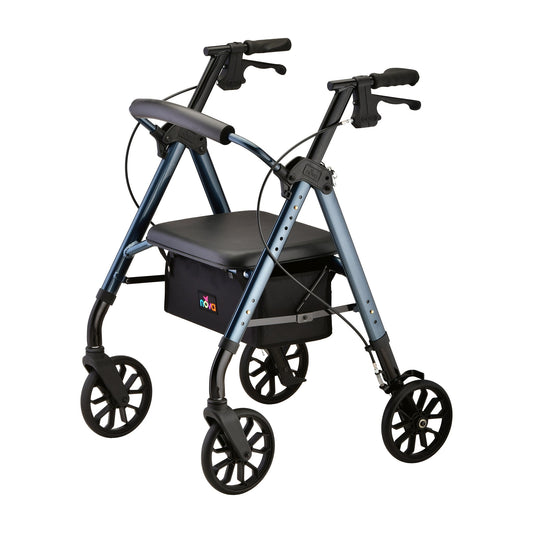
Rolling walkers, or rollators, feature a four-wheeled design with a built-in seat and hand brakes. This design allows for smoother, faster movement while providing a place to rest when needed. Rolling walkers are perfect for those who need some support but still want to maintain an active lifestyle, offering both mobility and comfort.

Key Benefits:

  • Smooth Mobility: The wheeled design allows for easy, fluid movement, reducing the effort needed to move the walker forward.
  • Built-In Seat: Many rollators include a seat and backrest, offering a convenient place to rest during longer walks or outings.
  • Adjustable and Foldable: Rollators often come with adjustable handle heights and can be folded for easy storage and transport.
  • Hand Brakes for Safety: Equipped with hand brakes to control speed and stability, ensuring safety on various terrains.

Who Should Use This?
Rolling walkers are suitable for individuals who can walk but need support for balance and endurance. They are ideal for active users who enjoy spending time outdoors or require a portable aid for running errands.

Hybrid Walkers

Best For: Users seeking the versatility of both a walker and a transport chair.

Overview:
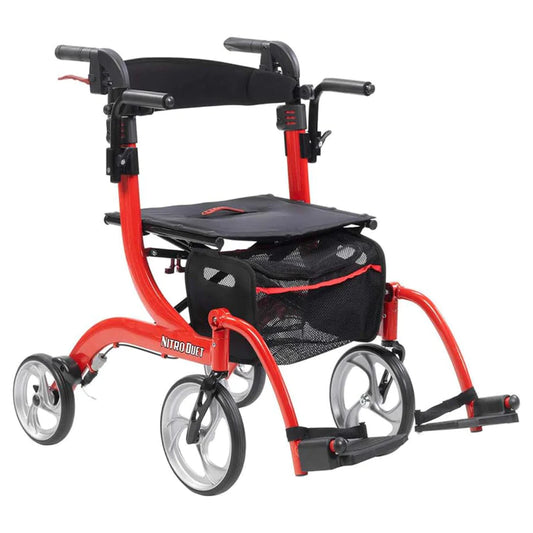
Hybrid walkers combine the functionality of a rolling walker (rollator) with the convenience of a transport chair. These versatile mobility aids allow users to walk independently when needed and then easily convert into a transport chair when they require assistance. This dual-purpose design makes hybrid walkers an excellent choice for users who need occasional support from a caregiver or who want the flexibility to switch between walking and sitting.

Key Benefits:

  • Dual Functionality: Seamlessly switch between walking with support and using the walker as a transport chair when a rest is needed.
  • Convenient and Versatile: Features a built-in seat, adjustable handlebars, and footrests to provide comfort and support in both modes.
  • Easy to Convert: Simple mechanisms allow quick conversion between walker and transport chair modes, providing adaptability for various situations.
  • Foldable and Portable: Hybrid walkers are designed for easy folding and transport, making them perfect for travel and storage.

Who Should Use This?
Hybrid walkers are ideal for individuals who want the flexibility to walk independently with support and occasionally need assistance from a caregiver. They are perfect for those who want the benefits of a rollator and a transport chair in one convenient device.

Knee Walkers

Best For: Individuals recovering from foot, ankle, or lower leg injuries.

Overview:
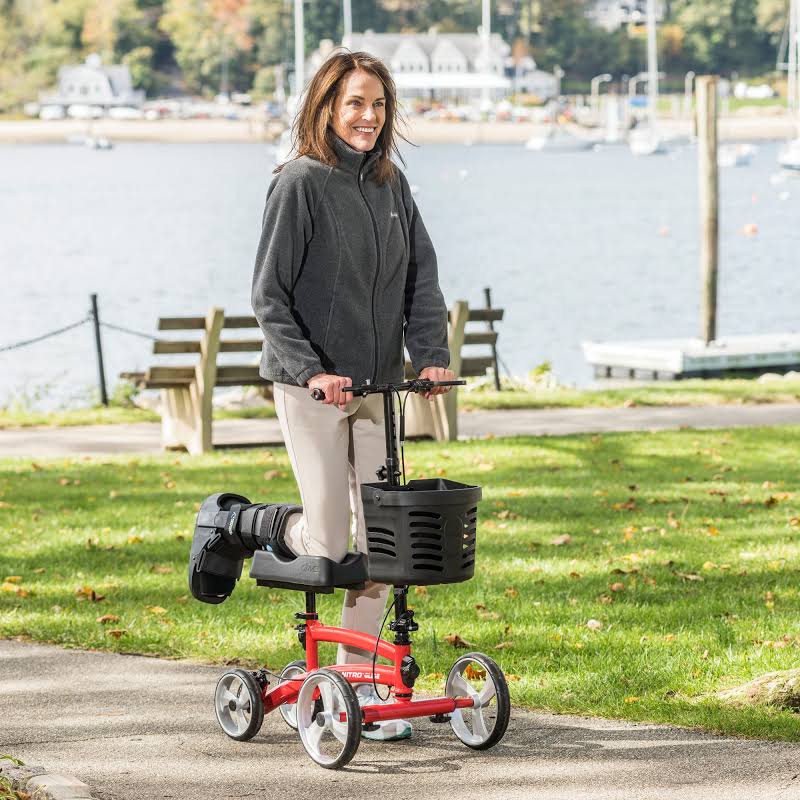
Knee walkers, also known as knee scooters, are designed for individuals who cannot bear weight on one leg due to an injury or surgery. These walkers feature a padded platform for the knee of the injured leg and handlebars for steering. By using the knee walker, individuals can move around comfortably without putting pressure on the injured area.

Key Benefits:

  • Hands-Free Mobility: Allows users to move around without putting weight on the injured leg, facilitating faster recovery.
  • Comfortable Design: Features a cushioned knee platform for comfort and support during use.
  • Maneuverable: Equipped with steering and brakes, knee walkers provide easy, smooth navigation around obstacles.
  • Ideal for Indoor and Outdoor Use: Suitable for both indoor and outdoor use, offering flexibility during recovery.

Who Should Use This?
Knee walkers are ideal for individuals recovering from foot, ankle, or lower leg injuries or surgeries. They provide a comfortable and convenient alternative to crutches, allowing users to maintain mobility and independence during recovery.

Canes

Best For: Individuals needing minimal support and assistance with balance.

Overview:
Canes are simple yet effective walking aids designed to provide a single point of support for individuals who need minimal assistance. They are lightweight, portable, and come in various styles, including straight canes and quad canes with four-point bases for added stability. Canes help distribute weight away from the lower limbs, making walking easier and more comfortable.

Key Benefits:

  • Lightweight and Portable: Canes are easy to carry and transport, making them an ideal option for those needing occasional support.
  • Adjustable Height: Most canes feature adjustable heights, allowing users to set them to the proper height for optimal support and posture.
  • Variety of Styles: Available in different styles, including foldable canes, offset canes, and quad canes, to suit varying levels of support needs.
  • Enhanced Balance and Confidence: Provides added stability and support, helping users maintain balance and walk with confidence.

Who Should Use This?
Canes are suitable for individuals who require minimal support for balance or stability. They are ideal for those who need occasional assistance, such as during recovery from minor injuries or when navigating uneven surfaces.

How to Choose The Right Walking Aid

When selecting a walking aid, consider the following factors:

  • Level of Support Needed: Determine how much support and stability you require. Standard walkers offer the most support, while canes provide minimal assistance.
  • Mobility Goals: Think about your mobility goals and lifestyle. If you want to stay active, a rolling walker or knee walker may be best. For slower, controlled movement, a standard walker is more suitable.
  • Comfort and Convenience: Choose a walking aid that is comfortable to use and fits your daily routine. For example, rollators offer a convenient seat for resting, while knee walkers provide a hands-free option during recovery.
  • Portability: Consider how often you’ll need to transport or store the walking aid. Rolling walkers and canes are typically more portable, while standard walkers provide stability at home.

Walking Aids

FAQ

What is the difference between a walker and a rollator?

A standard walker has no wheels and must be lifted with each step, providing maximum stability for people who need firm support. A rollator has wheels (usually 3 or 4), hand brakes, and often includes a built-in seat and storage pouch. Rollators are easier to push and move with, but require the ability to use hand brakes

What is the lightest rollator you carry?

We carry several lightweight rollators under 15 lbs, including the Medline Super Light Rollator and the Wonder Walker Lite. These models are designed for easy transport; they fold compactly and fit in most car trunks.

How do I choose the right rollator height?

Stand upright with your arms relaxed at your sides. The rollator handles should be at the level of your wrists. Your elbows should have a slight bend (about 15 to 20 degrees) when gripping the handles. Most rollators are height-adjustable, but the adjustment range varies by model.

What weight capacity do I need in a rollator?

  Standard rollators typically support 250 to 300 lbs. Heavy-duty rollators support 350 to 400 lbs. Bariatric rollators can handle 400 to 500+ lbs. Always choose a rollator rated above your body weight for safety and Durability

Do you offer free shipping on walkers and rollators?

Yes. We offer free shipping on most walkers and rollators for orders over $75. Local customers can also choose local delivery or in-store pickup at our showroom on State Street.

 Do you rent knee walkers?

Yes. Knee walkers are available for rent at Affinity Home Medical. They are commonly used during recovery from foot or ankle surgery. Rental plans are available weekly and monthly with local delivery in the Salt Lake City and surrounding cities.